

The Benefits of a Stationary Cycling Bike
A stationary cycling bike is an exercise machine with a seat, pedals, and some sort of handlebars that are designed to look like a bicycle. Cycling is a great lower-body exercise, but it also works the upper body and core.
All cardio exercises strengthen the heart, lungs and help burn calories. Whether you run, bike or use an elliptical, each exercise targets different muscle groups and provides each one of them with its own benefits.
Improved Cardiovascular Health
If you want to improve your cardiovascular fitness cycling is a great option. It's a low-impact workout that strengthens your bones and muscles while burning calories. This kind of exercise is easy on the joints, so it's an ideal choice for those who suffer from joint problems. Regular cycling can help you lose fat, lower your blood pressure and reduce the buildup of dangerous triglycerides within your body.
A stationary bike is an exercise device that resembles the bicycle, but has no wheels. It can be used as a separate unit or with trainers or bicycle rollers. static bicycle for sale can utilize a stationary bicycle to get a daily cardio workout, even on days when the weather isn't ideal. You can also choose other methods of cardio like swimming, running hills, or elliptical machines.
Cycling on a stationary bike is a an excellent cardio workout which increases your heart rate and improves your breathing. It can also help you lose weight and burn calories. weight. However, it is important to consider your fitness goals prior to you purchase stationary bikes. The ideal goal is to pedal at a moderate pace for 30 minutes. To get the most out of your efforts Try adding intervals of intense pedaling into your routine.
If you are looking to purchase a stationary bicycle make sure you choose one with different resistance levels. This will allow you to gradually increase the intensity of your exercise. You can find stationary bikes that provide friction resistance or magnetic resistance. You can adjust the resistance by microadjusting on spin bikes that are friction-resistant, while magnetic resistance models come with pre-set levels.
A recumbent stationary bike places you in a reclined posture and offers a lower-back-friendly exercise. This kind of bike is perfect for those who suffer from back pain or other joint problems. It also helps you burn more calories than an upright bike because it is more difficult to pedal. If you're not sure what bike is right for your body, consult a physical therapist.
Muscles are strengthened
Cycling on a regular basis improves the cardiovascular health and strengthens muscles. Cycling indoors strengthens the quadriceps and hip flexors, as well as the adductors. It also aids the calves and hamstrings. Depending on the intensity your exercise, you could burn as many as 600 calories per hour.
visit the next website is an excellent way to build leg strength. It strengthens your quads, calves, and the hamstrings. Based on the type of bike you select, it can also strengthen your core and back muscles as well as your upper body including your biceps as well as the triceps.
Some indoor bikes come with handlebars attached to the pedals that allow you to work out your upper body and shoulders as well. They can also be adjusted to increase resistance, allowing you to increase the difficulty of your exercise. Certain stationary bikes come with mechanisms that allow you to pedal backwards. This exercise works muscles that are not utilized when you are pedaling forward.
Both recumbent and upright stationary bicycles are excellent choices for those looking to increase their fitness without straining joints. Both upright and recumbent stationary bikes promote dynamic knee flexion and hip extension, and they also engage tibialis posterior, which is a small muscle that runs down the inside of your front shin. The tibialis posterior assists in flexing your ankle, meaning it is responsible for bringing your foot up toward the ceiling.
Both recumbent and upright bikes encourage isometric muscle contraction, which means that your muscles contract, but do not move. This kind of exercise is more effective for building hip and leg strength than other exercises that promote dynamic movement.
In a study published in Acta Physiologica, it was discovered that the quadriceps and hamstrings were stronger in healthy adults who ridden stationary bicycles than those who did not. The study compared electromyography (EMG) and amplitudes of these muscle groups in healthy middle-aged adults and older adults who did a cycling exercise at different resistances to pedaling. The EMG results revealed that the higher the resistance a cyclist applied, the more these two major muscles were stimulated.
Reduce Stress
One of the biggest advantages of cycling is its ability to ease stress and anxiety. When you exercise your brain releases a range of endorphins, which are a type of feel-good hormone that encourage a sense of calm and well-being. The tempo of your pedaling can help relax your mind and decrease feelings like tension and anger.
Regular cycling can boost your mental well-being, especially when it's conducted in a group environment like spin. These classes will require you to push yourself beyond your limits in order to keep pace with your instructor and the other participants. But, this can be an excellent way to develop mental toughness and confidence.
The most common type of stationary bike is the upright bike which is akin to a normal bicycle, but with the pedals positioned underneath your body. This type of bike is perfect for those who suffer from knee or back issues because it places less stress on joints and lower body. If you're looking for a more comfortable ride that doesn't strain your body as much, then a reclining bike could be the ideal option for you. A recumbent bike allows you to sit in a more relaxed position, with a seat that is positioned further away from the pedals. This kind of bike can be used by people suffering from back pain, or other conditions like arthritis.
No matter what type of bike you use cycling is a low-impact cardiovascular exercise that will increase your fitness. Before you start riding your bike, talk to your doctor to ensure it is safe for you. If you're just beginning, start slow and gradually increase the intensity of your workouts.
Longevity
The tempo of a stationary bicycle aids in strengthening knees and surrounding muscles, and eases pain in the joint. This is one of the reasons why cycling is a popular choice for physical therapists for seniors recovering from injuries or surgeries. Regular exercise in the cardiovascular area helps keep your heart healthy. Cycling is an excellent way to get in a good workout without putting too much strain on joints.
When you are choosing a stationary bike for your home, think about the dimensions of your space as well as your experience level and fitness goals. Recumbent bikes require more space than an upright bike and could cost more. The higher price tag is typically indicative of higher quality and features, such as adjustable resistance.
If you're looking to get the most of your workout, select a bike with an adjustable seat. The distance between your feet and the pedals must be just right for you, so that you can easily reach the handlebars without straining. The ideal is to have the handlebars approximately one foot apart. The seat should also be close enough to the pedals that your feet are about a foot above them when you sit in it.
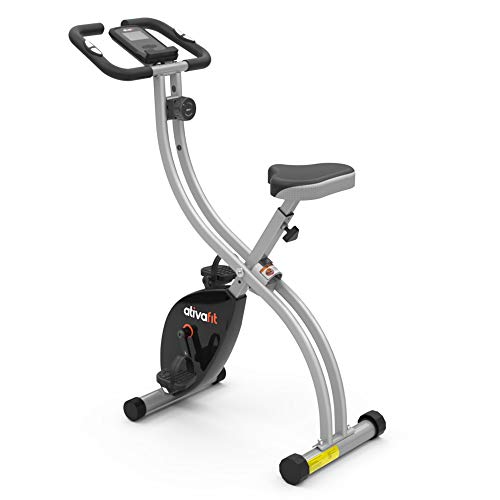
Based on your body weight and the amount of effort you exert yourself depending on your body weight and the intensity of your workout, you can burn as much as 600 calories in an hour on a stationary bicycle. This is a great method to lose weight and build muscles. It is important to remember that a balanced diet is also essential but.
Cycling can increase the strength of your legs and improve your balance, which can lower the risk of falls and injuries. Studies have proven that people who ride bikes regularly are 22 percent less likely from knee osteoarthritis than those who don't.
Cycling strengthens the quads and hip flexors. It also strengthens glutes, adductors, the hamstrings and the hamstrings. It is important to understand which muscles are strengthened through any type of exercise, especially those who suffer from arthritis. Cycling releases endorphins which are the body's natural feeling-good chemical that promotes mental health and wellbeing.